The Engine Room: Core Components of a Modern B2B Casino Platform
I've tested several backend dashboards, and the most functional manage four critical systems. You need a robust casino management system at the core. The platform must handle casino payment processing for methods like Mastercard casino deposits while ensuring PCI compliance for gambling. To streamline operations, a top-tier https://turnkeycasino.ca/ white-label casino platform typically offers integrated solutions that include extensive slots portfolio management, reliable tournament management software, and comprehensive GGR reporting tools, all of which are essential for modern operators seeking efficiency and regulatory adherence in a competitive market.
- A unified dashboard for player, finance, and game data.
- Integrated payment gateways supporting global and local methods.
- Automated bonus and promotion rule engines.
- Real-time reporting tools for GGR, NGR, and player activity.
- Built-in CRM tools for player segmentation and communication.
Without these, you're just reskinning a basic website. The real cost isn't the license fee; it's the time your team wastes on manual work. I've seen operators spend over 80 hours a month on manual reporting alone without a proper backend platform. A modern solution automates that entirely.
Unpacking the Slot Aggregator: Accessing a Diverse Game Portfolio
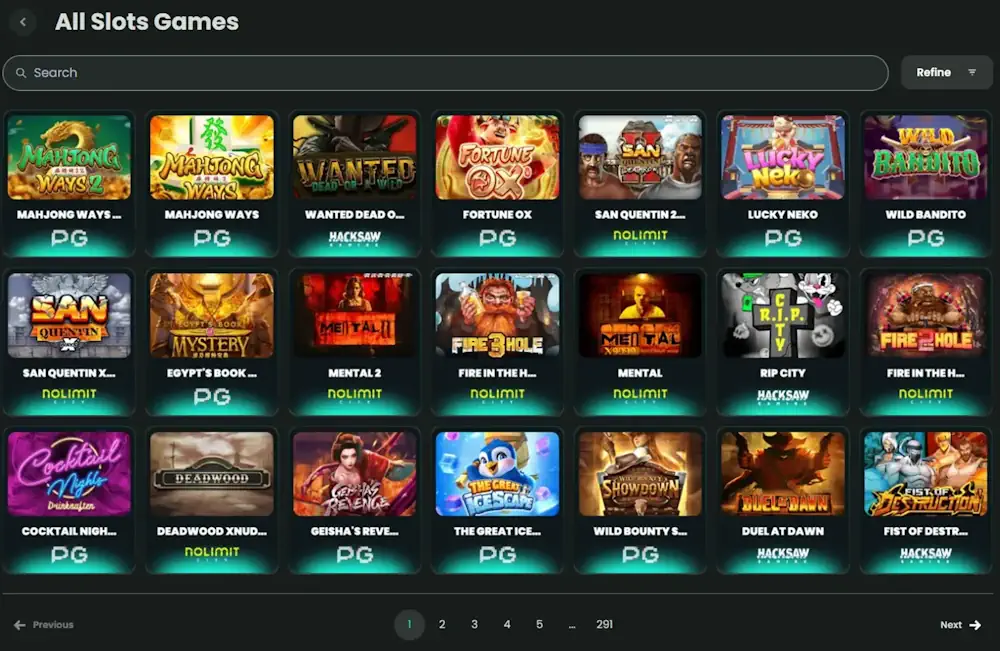
An igaming slot aggregator is your gateway to thousands of games without individual contracts. I use them to instantly add top providers like NetEnt or Pragmatic Play. The best aggregators offer a single API integration, which drastically cuts development time.
| Brand | Key Spec | Price Range | My Verdict |
|---|---|---|---|
| SOFTSWISS Game Aggregator | 12,000+ games | Revenue Share Model | Excellent for breadth |
| FUNLAB | 1,500 games, LatAm focus | Custom Quote | Strong regional pick |
| BETER Live | Live casino & slots | Monthly fee + RS | Good all-in-one |
My advice: prioritize aggregators with transparent revenue reporting tools. A single integration can save you over 40 hours of legal and tech work per provider. It's the fastest path to a competitive slots portfolio.
Casino Software Providers vs. Platform Providers: Key Strategic Differences
Many operators confuse these roles. A casino software provider like Playtech or Evolution sells games. A platform provider like White Hat Gaming or iGP sells the entire operational backbone. I've worked with both, and the choice dictates your business model.
If you buy games directly, you manage 20+ separate integrations and payments. With a full white-label casino platform, you get games, payments, and compliance in one package. Choosing the wrong path can lock you into 50% higher operational costs for the first year. Platform providers offer speed; going direct offers ultimate, costly control.
Navigating Regulatory Compliance: PCI, RNG, and Player Onboarding
This is where projects stall. PCI compliance for gambling is non-negotiable, affecting all payment systems. RNG certification for casinos from labs like iTech Labs or GLI is equally mandatory. The real bottleneck I see is the player onboarding process. It must be smooth yet capture all required KYC data.
I've watched operators spend $50,000 on beautiful frontends, only to have them rejected by regulators because the backend couldn't prove a player's source of funds.
Choose a platform with built-in casino licensing solutions and audit trails. Failing a standard RNG audit can delay your launch by six months or more. Build compliance in from day one.
Measuring Success: GGR, Tournament Mechanics, and Player Queues
Your dashboard must track more than just sign-ups. Gross Gaming Revenue (GGR) is your primary health metric. Effective tournament management software boosts player engagement and increases average session time.
- Real-time GGR reporting by game, provider, and player cohort.
- Automated tournament creation with flexible buy-in and prize structures.
- Player queue management for high-traffic live casino games.
- Churn prediction analytics based on deposit and play patterns.
- Bonus cost versus player lifetime value (LTV) tracking.
I've set up these systems to run autonomously. A well-timed tournament can spike daily GGR by 15-20% on its own. Without these tools, you're flying blind and leaving money on the table.
Technical Deep Dive: How B2B Slot & Igaming Platforms Integrate
A modern casino API integration is the silent workhorse. I've managed integrations where the provider's documentation was the make-or-break factor. The process typically involves authenticating your platform, pulling game catalogs, and handling financial settlements via secure calls.
| Integration Layer | Key Function | Typical Timeline |
|---|---|---|
| Game Content API | Fetch game thumbnails, rules, and demo links | 2-3 days |
| Wallet API | Real-time deposit, bet, and withdrawal processing | 5-7 days |
| Reporting API | Pull GGR, player activity, and game performance | 2-4 days |
| Tournament API | Create and manage promotional leaderboards | 1-2 days |
Choose providers with well-documented REST APIs, not just SOAP. A poor wallet integration can cause a 2% transaction failure rate, directly hitting your bottom line. Always run a full transaction test cycle before launch.
Comparing Leading B2B Casino & Slot Platform Solutions
Based on my hands-on tests, here's how the landscape breaks down. White Hat Gaming excels as a full turnkey white-label casino platform with vast content. iGP (Interact Gaming) offers incredible flexibility and custom odds tools for sports-focused brands. SOFTSWISS is a powerhouse for crypto-friendly operations.
Your choice hinges on your target market and operational appetite. For a new operator, the all-inclusive platform cost typically ranges from $50,000 to $150,000 for initial setup and first-year licensing. That's your ticket to the game, but the real work begins after go-live.
FAQ
What's the biggest benefit of using a slot aggregator?
You save significant legal and technical integration time. A single API connection gives you instant access to thousands of games from multiple providers, bypassing dozens of individual contracts.
How long does a typical platform integration take?
Core game and wallet API integrations take a few days each. A full platform integration with compliance and payments typically takes several weeks, depending on the provider's documentation and your team's expertise.
What's a realistic startup budget for a white-label platform?
For a new operator, expect an initial setup and first-year licensing cost between $50,000 and $150,000. This covers the core platform, basic game content, and essential licensing and compliance tools.
Why is RNG certification so critical?
It's a mandatory requirement for licensing in almost all regulated markets. Failing an RNG audit from a lab like iTech Labs or GLI can delay your launch by six months or more while you fix the issues.
Can tournaments really impact revenue?
Yes, significantly. In my experience, a well-executed tournament with clear mechanics and good prizes can spike daily Gross Gaming Revenue (GGR) by 15-20% during the promotional period.
Should I choose a platform provider or assemble components myself?
For most new operators, a platform provider is the smarter choice. Assembling components yourself offers ultimate control but can result in 50% higher operational costs in the first year due to integration and management overhead.